
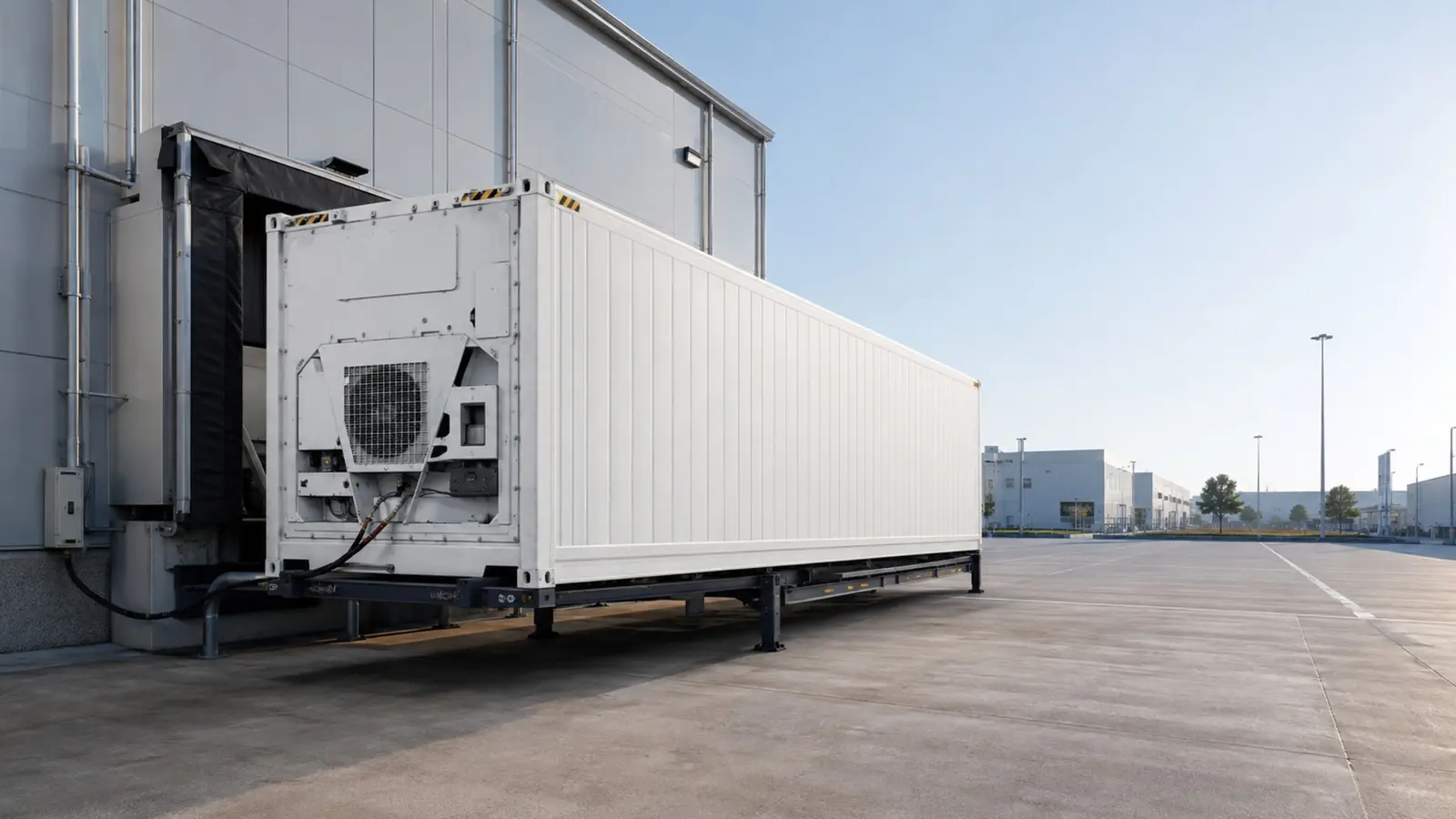
Explains selection, site setup, power planning, airflow and record discipline for 20- and 40-foot reefer containers used with food, pharmaceutical and chemical cargo. Rather than recommending one product in isolation, this guide explains how to build the decision. A sound reefer container decision brings cargo characteristics, real site movement, the delivery chain, budget limits and risk appetite into one framework. Even when the nominal equipment type is right, missing plans for power, ground, access, documentation or ownership will prevent the operation from reaching its intended performance.
Drawing on Penta Container’s experience in sales, rental, leasing, storage, repair, maintenance and modification, the content provides a working control framework for procurement teams as well as logistics, production, quality and site managers. Each section explains the technical logic, identifies a frequent mistake and ends with a control action that can be used on site. The article therefore becomes more than background reading: it can support quotation reviews, project meetings and handover checks.
The cold chain is more than equipment
managing product, packaging, people, power and records as one system is one of the technical starting points for sound reefer container. The goal is not simply to place cargo inside a steel box; it is to make the chain predictable from receipt and protection to site movement and final handover. The subject of the cold chain is more than equipment gives procurement, logistics, site and safety teams a shared assumption set. Without that common language, even correctly specified equipment can miss the intended time, cost or safety outcome.
A common mistake is leaving responsibility entirely to the refrigeration unit. It may appear to save time initially, but can later create extra handling, waiting, damage checks or an equipment change. For a model such as the 20 Reefer Container, the product’s technical limits must be read together with site conditions and transport method. Only after those requirements are explicit does the quoted price become genuinely comparable across suppliers and alternatives.
A practical response is to define measurement points from product receipt to delivery. Record evidence as dimensions, quantities, dates, photographs and named owners wherever possible. Every assumption should have a source, and a change should trigger review of the affected delivery, budget and risk items. Penta Container aligns that verification with stock and delivery planning so the selection works in the real operation, not just on a specification sheet.
Choosing 20- or 40-foot reefer
Choosing 20- or 40-foot reefer normally needs an answer before commercial comparison begins in a reefer container process. When teams assess deciding volume by batch size, door-opening frequency and site power capacity, they must look beyond the nominal product label and understand how the unit will actually be used. Daily handling frequency, loading equipment, seasonal conditions and user behaviour can all change the preferred result. A technical specification is therefore not static boilerplate; it is a concise summary of verified site data.
assuming unused volume is always harmless is a major risk at this stage. When it occurs, the difficulty often sits in the process around the container rather than in the container itself. Checking door approach, clearances, maintenance access and safe working space for the 40 Reefer Container strengthens both productivity and worker safety. If those checks happen after delivery, the available remedies narrow while the cost of change increases.
Teams should therefore calculate load density and airflow together. The finding should not end with a simple pass or fail; conditional acceptance points, follow-up dates and decision owners must be written down. Quote, dispatch and receiving teams can then work from one data set. A measurable approach supports transparent comparison among supply options and allows the project to adapt to changing requirements without losing control.
Product temperature and set point
distinguishing product inlet temperature from the unit’s holding function directly influences the assessment of product temperature and set point. Container operations connect many small decisions: a few centimetres of clearance, a short power interruption, late ground preparation or one missing document can stop a much larger workflow. For that reason, reefer container should be treated as end-to-end operational design rather than a catalogue choice.
assuming warm product will rapidly reach target temperature is not a safe planning assumption. The 20 Dry Container may appear technically suitable, yet the overall solution remains fragile if cargo, route or site has not been verified. A resilient plan is built for normal variation, not just an ideal day. Defining an alternative delivery window, backup unit or different layout in advance reduces decision time when an exception occurs.
The practical action is to link the pre-cooling procedure to the product protocol. That record makes the boundaries of responsibility visible to supplier, customer and site teams. When every control has an acceptance criterion, evidence and action, quality no longer depends on personal interpretation. The result is fewer surprises, a more reliable budget and stronger operational continuity, particularly when multiple containers must enter service at the same time.
Protecting airflow
A healthy approach to protecting airflow starts by treating the importance of T-floor channels, load line and return air at the door end as project input. As an operation scales, small uncertainties multiply with unit count; an issue manageable on one container can challenge the schedule and capacity of a whole fleet. Model, condition and commercial method should therefore be assessed as connected choices rather than separate procurement lines.
placing pallets so they block air channels can have material consequences on site. A poor assumption returns as extra transport, reloading, cargo waiting, unplanned maintenance or safety exposure. The value of the 20 Reefer Container becomes real only when the equipment is supported by operating instructions, environmental controls and clear responsibilities. Technical compatibility and operational feasibility are not identical; a good project demonstrates both.
For a controlled outcome, teams should mark floor and ceiling clearances in the loading plan. The verified information must then flow into the quotation and order documentation and be checked again during site handover. This closed loop protects the original decision through execution. When lessons are recorded and applied to the next order, container use becomes faster, safer and more cost-effective across the organisation.
Power infrastructure
voltage, frequency, connection, cable route and backup power planning is one of the technical starting points for sound reefer container. The goal is not simply to place cargo inside a steel box; it is to make the chain predictable from receipt and protection to site movement and final handover. The subject of power infrastructure gives procurement, logistics, site and safety teams a shared assumption set. Without that common language, even correctly specified equipment can miss the intended time, cost or safety outcome.
A common mistake is using unsuitable extensions or unprotected connections. It may appear to save time initially, but can later create extra handling, waiting, damage checks or an equipment change. For a model such as the 40 Reefer Container, the product’s technical limits must be read together with site conditions and transport method. Only after those requirements are explicit does the quoted price become genuinely comparable across suppliers and alternatives.
A practical response is to establish authorised electrical checks and alarm scenarios. Record evidence as dimensions, quantities, dates, photographs and named owners wherever possible. Every assumption should have a source, and a change should trigger review of the affected delivery, budget and risk items. Penta Container aligns that verification with stock and delivery planning so the selection works in the real operation, not just on a specification sheet.
Impact of door openings
Impact of door openings normally needs an answer before commercial comparison begins in a reefer container process. When teams assess managing warm, humid air entry during loading and picking, they must look beyond the nominal product label and understand how the unit will actually be used. Daily handling frequency, loading equipment, seasonal conditions and user behaviour can all change the preferred result. A technical specification is therefore not static boilerplate; it is a concise summary of verified site data.
leaving the door open throughout operations is a major risk at this stage. When it occurs, the difficulty often sits in the process around the container rather than in the container itself. Checking door approach, clearances, maintenance access and safe working space for the 20 Dry Container strengthens both productivity and worker safety. If those checks happen after delivery, the available remedies narrow while the cost of change increases.
Teams should therefore use a staging zone, strip curtains and rapid-door procedure. The finding should not end with a simple pass or fail; conditional acceptance points, follow-up dates and decision owners must be written down. Quote, dispatch and receiving teams can then work from one data set. A measurable approach supports transparent comparison among supply options and allows the project to adapt to changing requirements without losing control.
Humidity and condensation control
evaluating humidity, packaging and dew point for the product type directly influences the assessment of humidity and condensation control. Container operations connect many small decisions: a few centimetres of clearance, a short power interruption, late ground preparation or one missing document can stop a much larger workflow. For that reason, reefer container should be treated as end-to-end operational design rather than a catalogue choice.
monitoring air temperature alone is not a safe planning assumption. The 20 Reefer Container may appear technically suitable, yet the overall solution remains fragile if cargo, route or site has not been verified. A resilient plan is built for normal variation, not just an ideal day. Defining an alternative delivery window, backup unit or different layout in advance reduces decision time when an exception occurs.
The practical action is to record product core temperature and visual inspections. That record makes the boundaries of responsibility visible to supplier, customer and site teams. When every control has an acceptance criterion, evidence and action, quality no longer depends on personal interpretation. The result is fewer surprises, a more reliable budget and stronger operational continuity, particularly when multiple containers must enter service at the same time.
Remote monitoring and records
A healthy approach to remote monitoring and records starts by treating monitoring set point, supply and return air, alarms and door events as project input. As an operation scales, small uncertainties multiply with unit count; an issue manageable on one container can challenge the schedule and capacity of a whole fleet. Model, condition and commercial method should therefore be assessed as connected choices rather than separate procurement lines.
collecting data without assigning an owner can have material consequences on site. A poor assumption returns as extra transport, reloading, cargo waiting, unplanned maintenance or safety exposure. The value of the 40 Reefer Container becomes real only when the equipment is supported by operating instructions, environmental controls and clear responsibilities. Technical compatibility and operational feasibility are not identical; a good project demonstrates both.
For a controlled outcome, teams should define alarm thresholds, escalation contacts and report frequency. The verified information must then flow into the quotation and order documentation and be checked again during site handover. This closed loop protects the original decision through execution. When lessons are recorded and applied to the next order, container use becomes faster, safer and more cost-effective across the organisation.
Maintenance and hygiene
continuous care of evaporator, condenser, door seals, drains and internal surfaces is one of the technical starting points for sound reefer container. The goal is not simply to place cargo inside a steel box; it is to make the chain predictable from receipt and protection to site movement and final handover. The subject of maintenance and hygiene gives procurement, logistics, site and safety teams a shared assumption set. Without that common language, even correctly specified equipment can miss the intended time, cost or safety outcome.
A common mistake is waiting for a failure before maintenance. It may appear to save time initially, but can later create extra handling, waiting, damage checks or an equipment change. For a model such as the 20 Dry Container, the product’s technical limits must be read together with site conditions and transport method. Only after those requirements are explicit does the quoted price become genuinely comparable across suppliers and alternatives.
A practical response is to apply a cargo-appropriate preventive maintenance and cleaning plan. Record evidence as dimensions, quantities, dates, photographs and named owners wherever possible. Every assumption should have a source, and a change should trigger review of the affected delivery, budget and risk items. Penta Container aligns that verification with stock and delivery planning so the selection works in the real operation, not just on a specification sheet.
Pharmaceutical and sensitive goods
Pharmaceutical and sensitive goods normally needs an answer before commercial comparison begins in a reefer container process. When teams assess the importance of procedures, calibration, deviation management and traceability, they must look beyond the nominal product label and understand how the unit will actually be used. Daily handling frequency, loading equipment, seasonal conditions and user behaviour can all change the preferred result. A technical specification is therefore not static boilerplate; it is a concise summary of verified site data.
copying a general food process to every product is a major risk at this stage. When it occurs, the difficulty often sits in the process around the container rather than in the container itself. Checking door approach, clearances, maintenance access and safe working space for the 20 Reefer Container strengthens both productivity and worker safety. If those checks happen after delivery, the available remedies narrow while the cost of change increases.
Teams should therefore create an approved protocol with the cargo owner’s quality team. The finding should not end with a simple pass or fail; conditional acceptance points, follow-up dates and decision owners must be written down. Quote, dispatch and receiving teams can then work from one data set. A measurable approach supports transparent comparison among supply options and allows the project to adapt to changing requirements without losing control.
Temporary cold storage use
positioning reefers for facility expansion and seasonal peaks directly influences the assessment of temporary cold storage use. Container operations connect many small decisions: a few centimetres of clearance, a short power interruption, late ground preparation or one missing document can stop a much larger workflow. For that reason, reefer container should be treated as end-to-end operational design rather than a catalogue choice.
ignoring drainage and service access is not a safe planning assumption. The 40 Reefer Container may appear technically suitable, yet the overall solution remains fragile if cargo, route or site has not been verified. A resilient plan is built for normal variation, not just an ideal day. Defining an alternative delivery window, backup unit or different layout in advance reduces decision time when an exception occurs.
The practical action is to leave discharge air space and a maintenance corridor around the unit. That record makes the boundaries of responsibility visible to supplier, customer and site teams. When every control has an acceptance criterion, evidence and action, quality no longer depends on personal interpretation. The result is fewer surprises, a more reliable budget and stronger operational continuity, particularly when multiple containers must enter service at the same time.
Operational checklist
A healthy approach to operational checklist starts by treating standardising checks before loading, during operation and at handover as project input. As an operation scales, small uncertainties multiply with unit count; an issue manageable on one container can challenge the schedule and capacity of a whole fleet. Model, condition and commercial method should therefore be assessed as connected choices rather than separate procurement lines.
losing information between shifts can have material consequences on site. A poor assumption returns as extra transport, reloading, cargo waiting, unplanned maintenance or safety exposure. The value of the 20 Dry Container becomes real only when the equipment is supported by operating instructions, environmental controls and clear responsibilities. Technical compatibility and operational feasibility are not identical; a good project demonstrates both.
For a controlled outcome, teams should use one checklist format and signed shift handover. The verified information must then flow into the quotation and order documentation and be checked again during site handover. This closed loop protects the original decision through execution. When lessons are recorded and applied to the next order, container use becomes faster, safer and more cost-effective across the organisation.
Conclusion: the right equipment creates value through a verified process
Every point covered in reefer containers and the cold chain: uninterrupted temperature control leads to the same conclusion: a container alone is not the solution. The solution combines the right product and condition with the appropriate commercial model, planned delivery and disciplined use. Collecting technical data early, making assumptions visible and assigning responsibilities in writing reduces both total cost and operational risk.
The next step is to share cargo and site information with Penta Container so current stock, alternative products and delivery options can be compared in one proposal. Review technical explanations on the relevant product pages, explore similar applications in our projects, or contact our specialist team directly.